




The Sound That Makes Us Move
Salsa isn’t just a dance — it’s a living conversation between rhythm and movement. Behind every twirl and hip motion lies a band of instruments that bring the dance floor to life. Let’s meet them one by one and discover how they create the unmistakable energy of salsa.
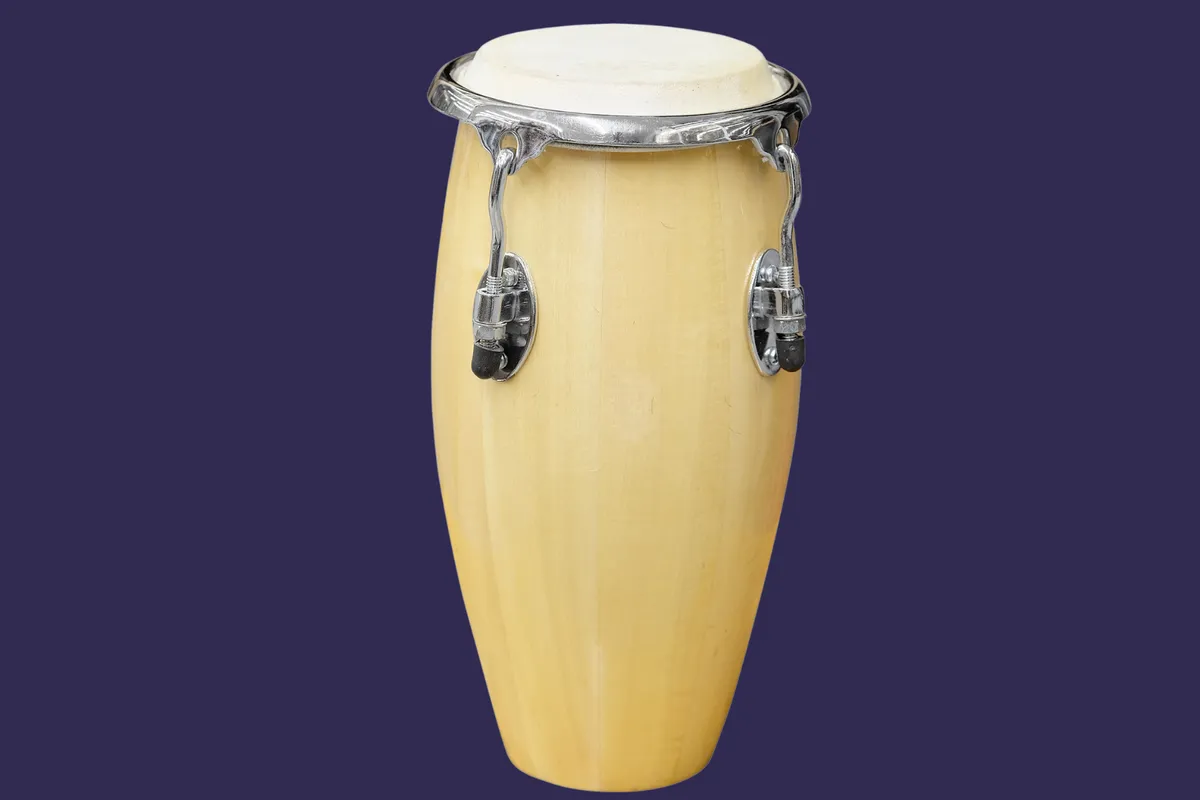
1. Congas – The Pulse of the Dance
The congas are the heartbeat of salsa. These tall, hand-played drums produce deep, warm tones that form the foundation of the rhythm. Their patterns, called tumbadoras, make your body sway even before you realize it.
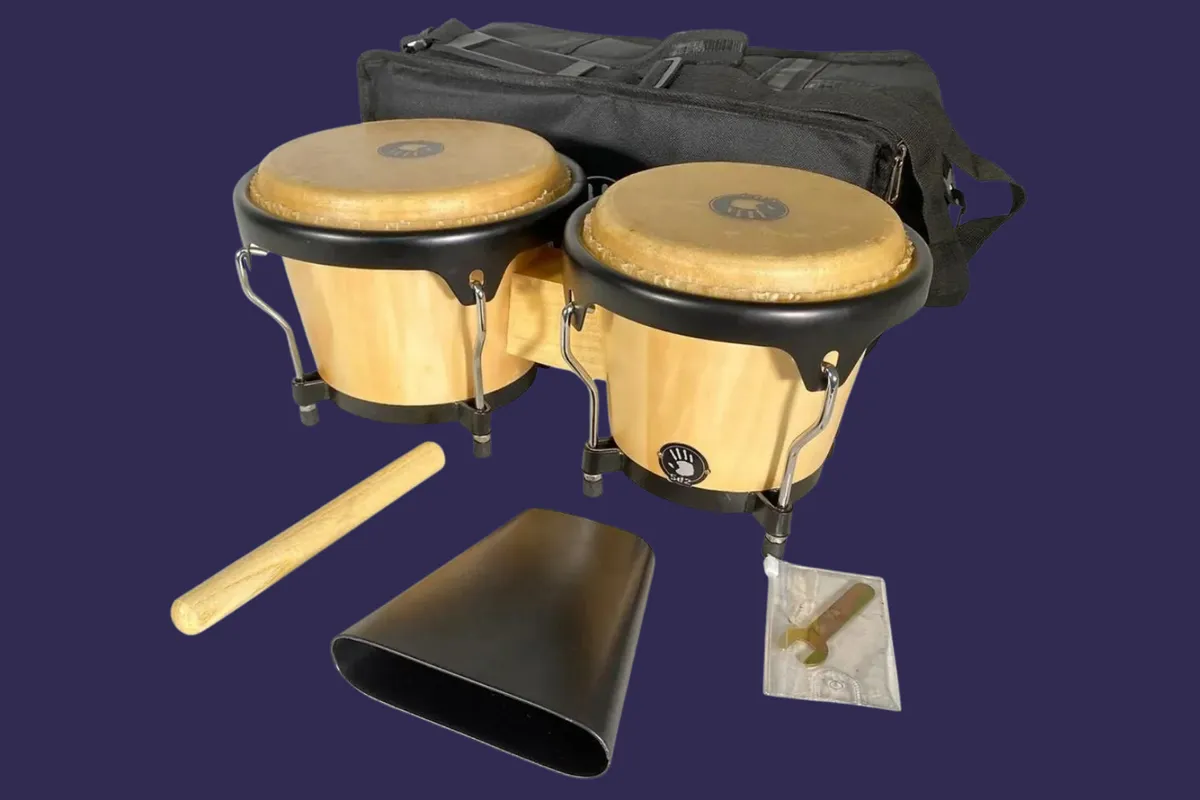
2. Bongos and Campana – The Spark of Rhythm
The bongos bring brightness and playfulness, while the metal cowbell (campana) adds intensity during the song’s high-energy moments. Together, they drive the tempo and give the music its forward motion — perfect for fast footwork on the dance floor.
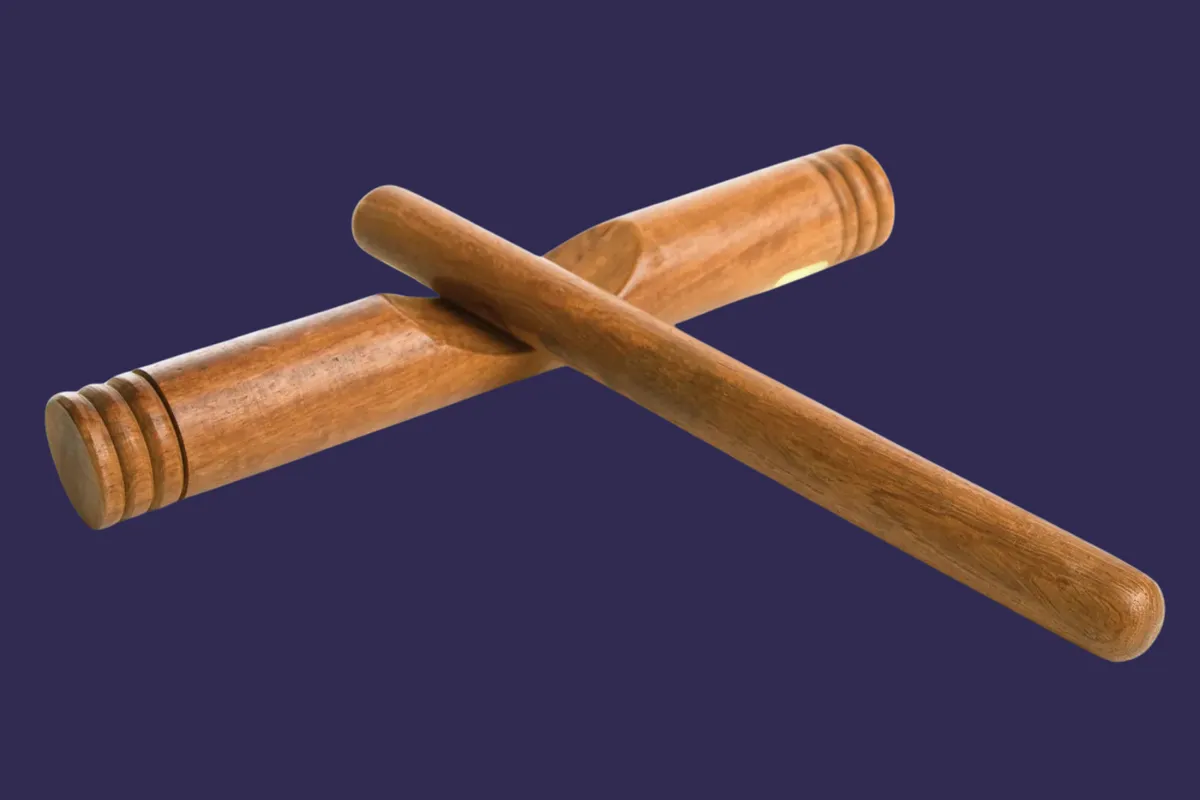
3. Claves – The Invisible Conductor
Two simple wooden sticks create the clave rhythm (3-2 or 2-3), the invisible grid on which salsa is built. Every musician — and dancer — follows this pulse, even when they can’t hear it directly. The clave is time itself.
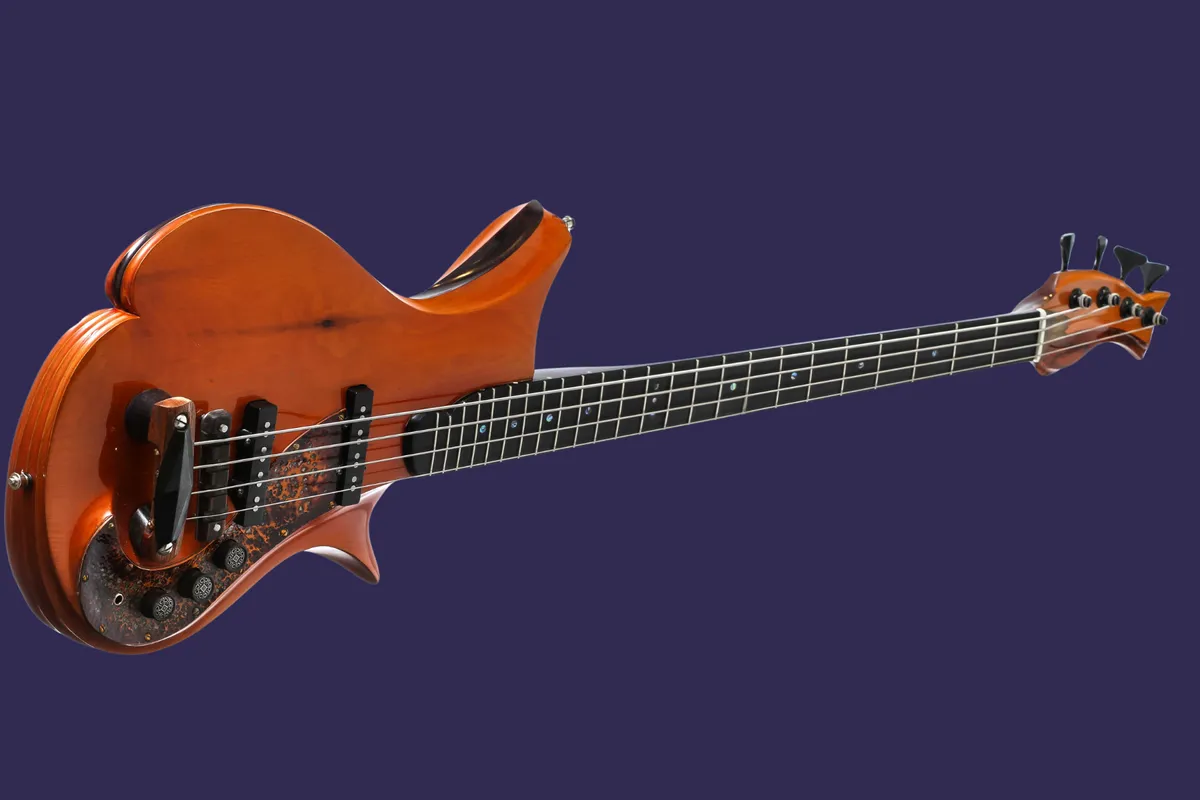
4. The Bass – Deep and Grounded
Whether it’s an electric or upright bass, this instrument anchors the entire ensemble. It connects percussion and melody, giving salsa its deep, rolling groove that dancers feel through the floor.
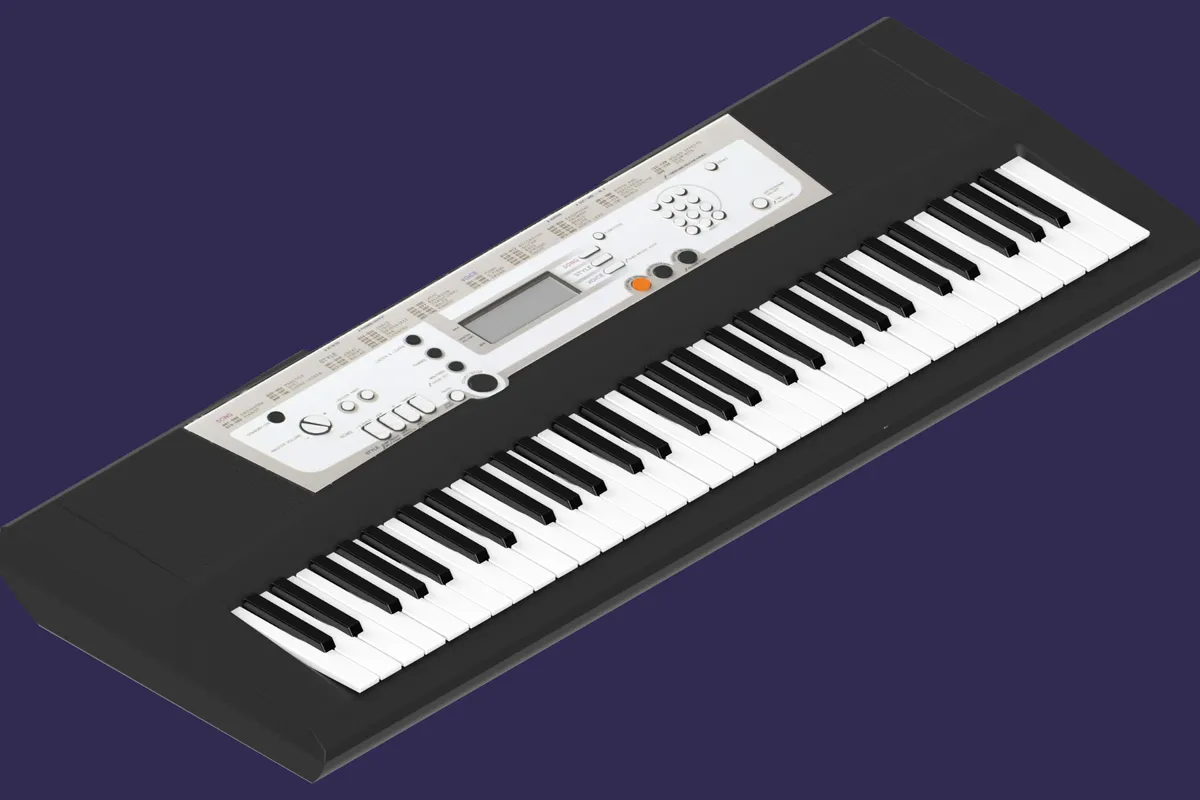
5. Piano – The Melodic Engine
In salsa, the piano doesn’t just accompany — it dances. Through repeating patterns called montunos, the pianist weaves melody and rhythm together, building tension and release that perfectly matches the dancers’ energy.
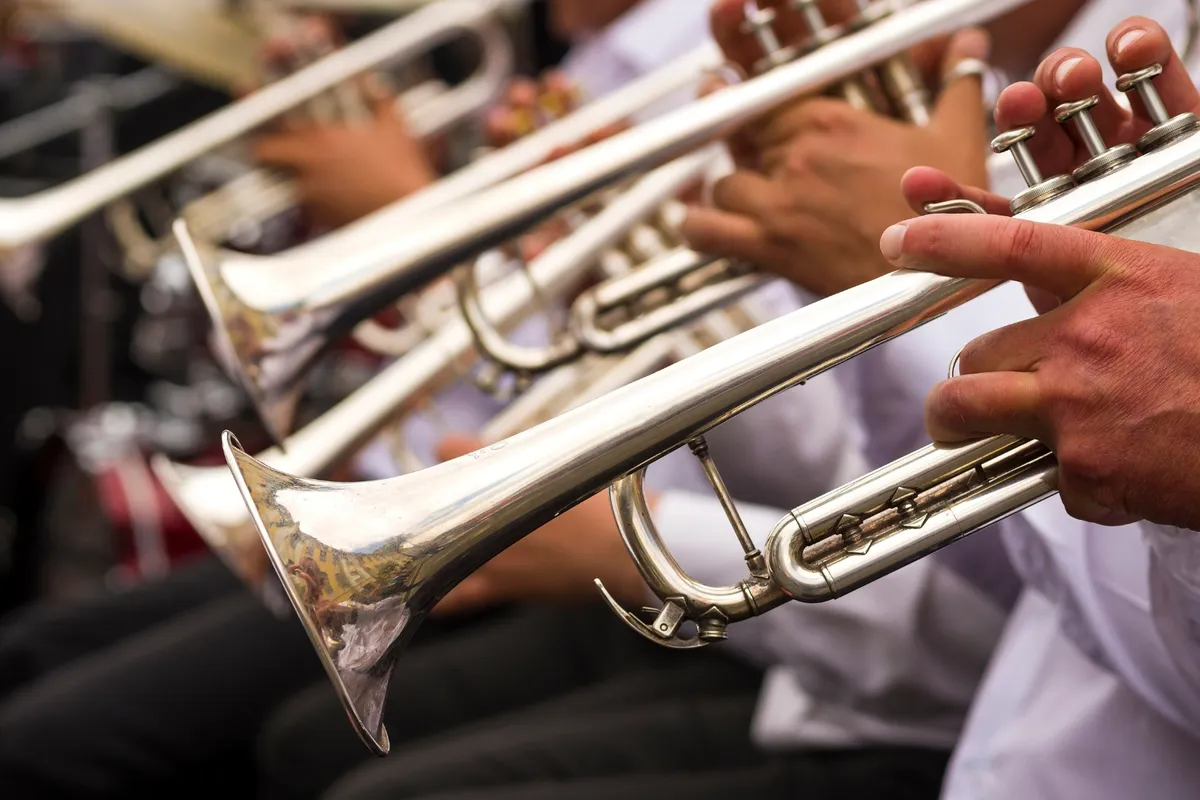
6. Brass Section – The Voice of Passion
Trumpets, trombones, and saxophones bring fire and flair. Their sharp hits, harmonized lines, and improvised solos add the drama that makes salsa sound like a celebration. When the brass kicks in, the dance floor explodes.
7. Vocals – The Storytellers
The sonero (lead singer) and coro (chorus) keep the conversation alive. Their call-and-response style adds emotion, humor, and storytelling — turning each song into a living dialogue between musicians, singers, and dancers.
The Dancer as an Instrument
Ultimately, salsa is about connection. Every beat from the band finds its echo in the dancer’s movement. When rhythm, melody, and motion merge, the dancer becomes one more instrument — the final piece in the orchestra of salsa.


